“What Travelers Should NEVER Do with Money in the Middle East”
Understanding the Cultural Diversity of the Middle East
The Middle East is a region rich with culture, history, and hospitality — and with a little knowledge, it’s one of the most rewarding travel experiences in the world. From the golden souks of Dubai to the spiritual stillness of Jerusalem, this region offers contrasts like no other. But before you board a camel or bargain in a bazaar, let’s talk travel smarts — especially when it comes to money, safety, and cultural respect.
Currency varies by country: UAE Dirhams in Dubai, Israeli Shekels in Jerusalem, Jordanian Dinars in Amman, and Egyptian Pounds in Cairo. Always double-check what’s accepted where — and know that in many areas, especially markets, most likely cash is king. ATMs are common, but always notify your bank before traveling to avoid issues, and carry a backup card just in case.
What to Wear and How to Behave in Sacred Spaces
Cultural respect is essential. In many Middle Eastern countries, modest clothing is expected — especially for women. Scarves, long sleeves, and ankle-length skirts or pants are great staples. In mosques or religious sites, men and women may need to cover their heads or remove shoes. It’s always a good idea to do a quick etiquette check before entering.
Blending Courtesy and Confidence for a Richer Experience
Language varies, but English is widely spoken in most tourist areas. That said, learning basic phrases in Arabic or Hebrew can be incredibly helpful — and appreciated. Greetings like “Shukran” (thank you) or “Salam Alaikum” (peace be upon you) can warm a stranger’s face with a smile.
When it comes to getting around, ride-share apps like Uber are available in major cities, but taxis are still the norm. Make sure the meter is running or negotiate your fare beforehand. In cities like Istanbul or Cairo, public transit systems can be overwhelming but are cost-effective once understood. Google Maps is helpful, but ask your hotel for local transit tips.
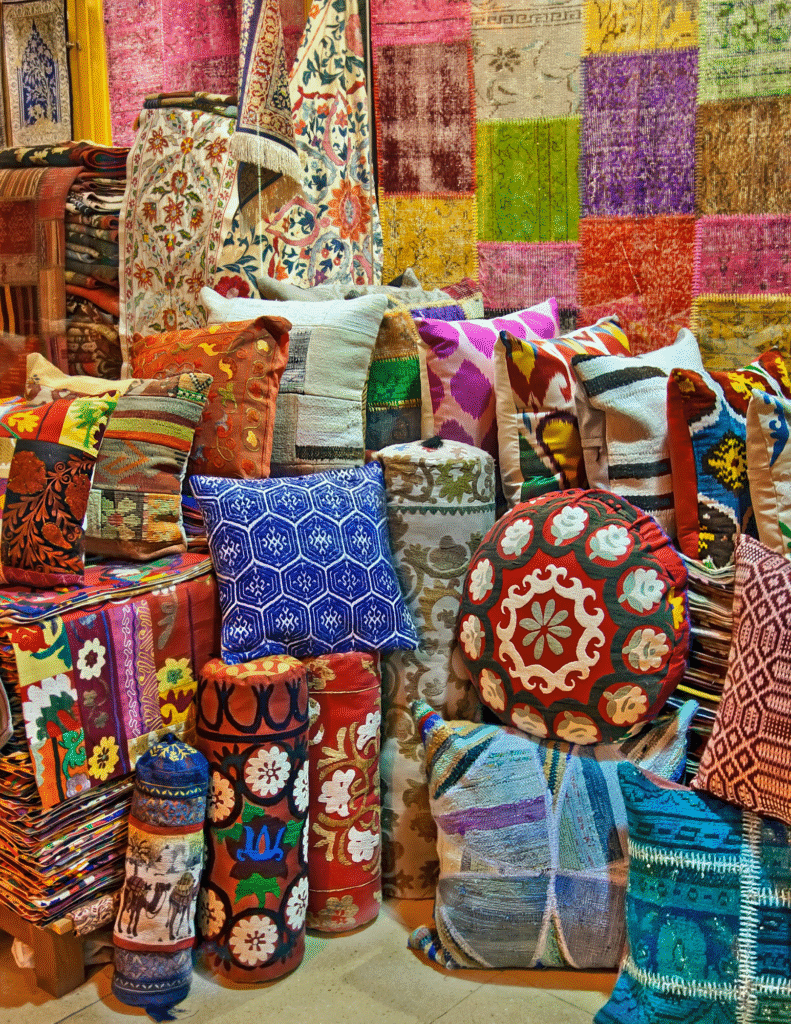
Shopping in Middle Eastern souks is a sensory adventure — spices, textiles, perfumes, and gold glitter in every direction. But bargaining is expected, not optional. Start low, smile, and stay polite — it’s part of the fun. Be cautious when buying high-value items and always ask for a receipt.
Respect for prayer times is also crucial. Don’t be alarmed by the call to prayer — it’s a beautiful and important part of daily life. In some cities, shops or restaurants may briefly close during these times. It’s a great moment to pause and observe respectfully.
Water and climate can be tough for unprepared travelers. Stay hydrated, wear sunscreen, and pace yourself in desert climates. Tap water may not always be safe to drink, so opt for bottled water where necessary. And try local drinks like mint tea or Turkish coffee — both rich in flavor and tradition.
Finally, always check travel advisories from reliable sources like the U.S. Department of State before booking. Many areas of the Middle East are perfectly safe for tourists, but some regions may require extra caution. Staying informed means traveling confidently.
With mindfulness, flexibility, and respect, traveling the Middle East can be a deeply moving and life-changing experience. It’s where past and present intertwine, and where currency knowledge meets cultural gold. The love of travel and the joy of unexpected adventure breathe life into our days, lifting us out of the mundane and into a world that feels vibrant, fresh and alive.
Traveling the Middle East invites connection, admiration, and deep cultural appreciation. Understanding currency and financial etiquette becomes part of showing respect — not just to prices, but to people, traditions, and communities. It builds trust, comfort, and harmony in every interaction.
Confidence comes from awareness. When you understand tipping customs, fair prices, and local expectations, you remove awkwardness and uncertainty. Instead of worrying whether you’re overspending or underpaying, you move with assurance, kindness, and cultural sensitivity.
Final Word
Even with all the planning, awareness, and respect that comes with traveling through the Middle East, don’t forget to fall in love with the journey itself. Fall in love with the warmth of the people, the breathtaking architecture, the powerful history, the spices in the air, and the way ancient traditions blend with modern life.
Fall in love with the sounds of prayer echoing at sunrise, the calm strength of the desert, the vibrant marketplaces, and the hospitality that welcomes you in like family. Yes, be mindful, be wise, be prepared — but also allow your heart to open, your spirit to feel, and your soul to truly experience the beauty, depth, and emotion of this extraordinary region.
And most importantly, being prepared financially lets you stay mentally and emotionally present.
With Convert & Go, you can quickly check conversions and local values, helping you move respectfully, confidently, and with calm assurance throughout your journey.
Source: USD @ Thu, 1 Oct.
(To get started, delete the $1.00 and type the amount you want to convert — rates update instantly!)
Ready To Travel?
Planning a trip abroad involves more than just booking flights and packing bags — understanding how to manage your money wisely is essential for a smooth journey.
For practical strategies on handling different currencies while traveling, check out our guide: Smart Currency Exchange Tips for Travelers: What to Know Before You Go
Before you go, it’s crucial to stay informed about international travel requirements, local customs, and safety precautions.
Explore these official resources to help you prepare:
Travelers – United States Department of State
Article by Convert&GO.com