
Cost of Living in Ethiopia vs the United States
Two Very Different Ways of Life
Comparing Ethiopia and the United States is not simply about numbers.
It is also about pace of life, culture, family structures, transportation, food systems, and expectations.
Many Americans are surprised by how affordable daily life can feel in parts of Ethiopia compared to major U.S. cities.
However, affordability alone does not tell the entire story.
Living in Ethiopia can feel deeply rewarding for some people while also requiring major lifestyle adjustments for others. Understanding both the beauty and the realities of daily life helps travelers, remote workers, and future expats build more realistic expectations before relocating.
The Ancient Beauty and History of Ethiopia
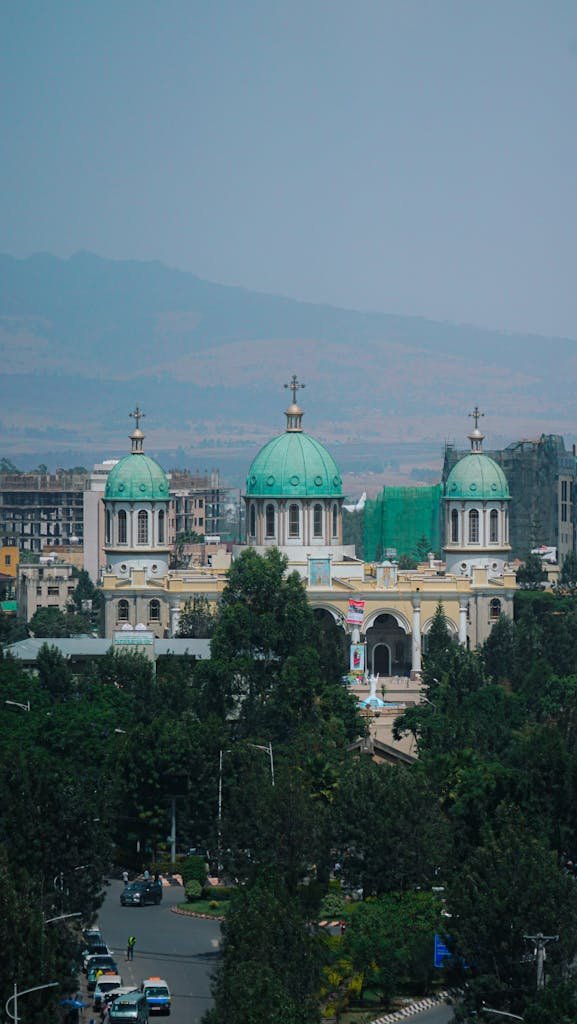
Ethiopia carries a sense of ancient history that many travelers immediately feel upon arrival.
The country is home to some of Africa’s most historically significant sites, ancient churches, archaeological wonders, and breathtaking landscapes. Travelers often describe Ethiopia as a destination filled with depth, heritage, and stories that stretch back thousands of years.
Historic locations such as Lalibela, Axum, and Gondar allow visitors to walk through spaces where kings, queens, emperors, and ancient civilizations once lived and ruled. Massive stone churches carved directly into rock formations, ancient ruins, royal castles, and sacred religious sites create an atmosphere unlike almost anywhere else in the world.
Many travelers are surprised by how emotionally powerful Ethiopia feels compared to more heavily commercialized tourist destinations. The country’s connection to history, spirituality, resilience, and culture creates experiences that feel meaningful and unforgettable long after the trip ends.
Housing Differences
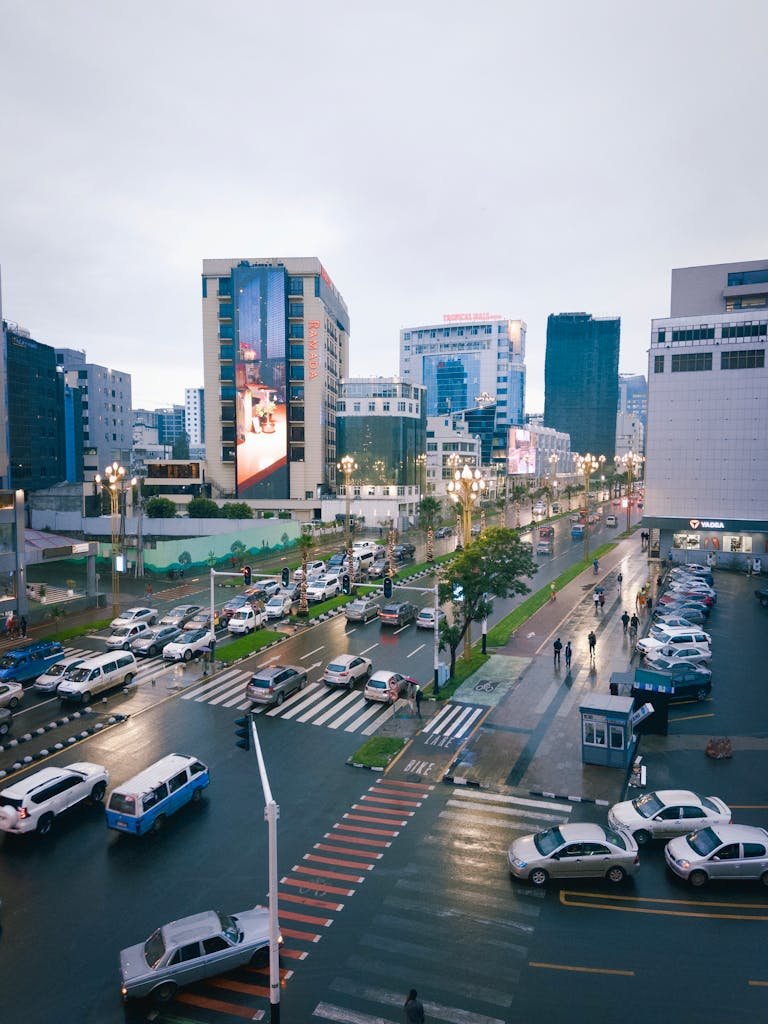
Housing costs in Ethiopia can vary dramatically depending on city and neighborhood.
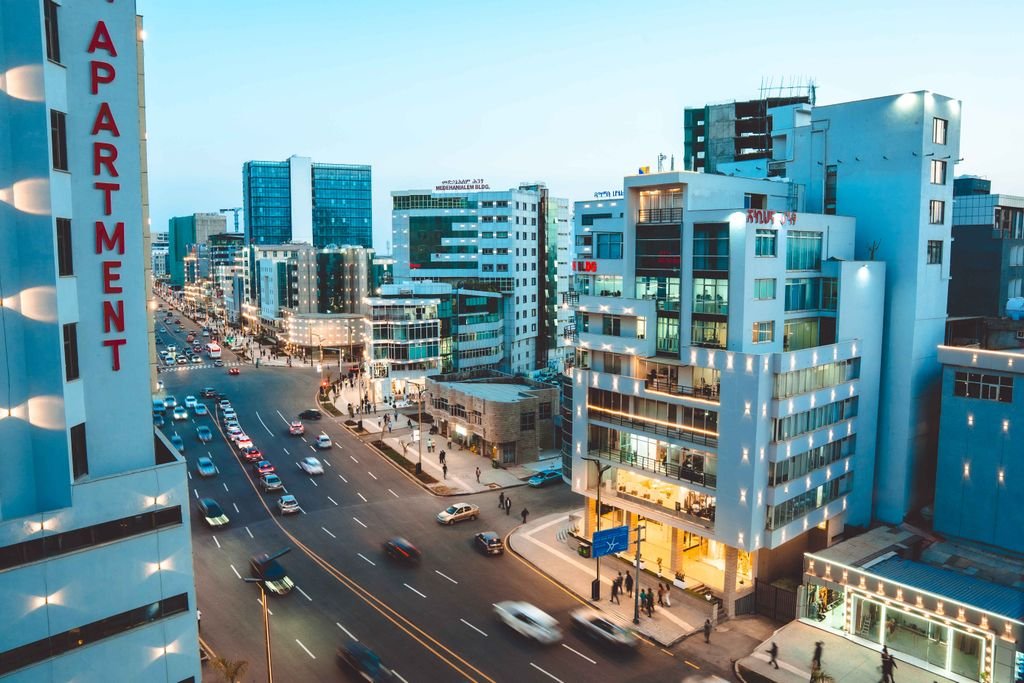
Addis Ababa tends to be more expensive than rural regions.
Even so, rent often remains far below prices seen in many American cities.
Travelers and expats may find modest apartments significantly cheaper than housing costs in cities such as New York, Los Angeles, or Chicago. However, luxury apartments, modern compounds, and highly desired neighborhoods in Addis Ababa can still become expensive by local standards.
Utilities and internet service may also vary depending on infrastructure and location. Some expats report manageable monthly expenses overall, while others note that internet reliability and power interruptions can occasionally create challenges depending on the neighborhood.
Understanding these differences helps travelers create more realistic expectations before moving abroad.
Food Costs and Ethiopia’s Rich Culinary Culture
Local food can be highly affordable.
Many travelers quickly fall in love with Ethiopia’s unique food culture, which feels deeply connected to family, hospitality, and community. Meals are often shared communally, creating a warm and welcoming atmosphere that many visitors remember long after returning home.
Traditional dishes such as injera, doro wat, lentils, vegetables, grilled meats, and flavorful stews provide both affordability and cultural richness. Ethiopian cuisine is known for its bold spices, comforting flavors, and beautifully prepared shared platters that encourage connection around the table.
Local restaurants and markets can remain very affordable compared to U.S. dining costs, especially when eating where locals eat rather than focusing only on tourist-oriented establishments. Imported products and international dining, however, may increase expenses more quickly.
Coffee culture also plays a major role throughout Ethiopia. Many travelers consider Ethiopian coffee ceremonies among the most memorable cultural experiences they encounter while visiting the country.
Family Life and Community Atmosphere
Family and community often remain central parts of daily life throughout Ethiopia.
Many visitors notice that relationships, hospitality, and social connection frequently hold greater importance than fast-paced productivity and constant busyness. Families often spend time together more intentionally, neighbors may know one another closely, and community traditions continue playing an important role within everyday life.
For some expats and travelers, this slower and more connected atmosphere feels emotionally refreshing compared to the stress and isolation sometimes experienced in larger Western cities.
At the same time, adjusting to cultural differences, infrastructure changes, and language barriers can require patience and flexibility for newcomers adapting to life abroad.
Is Ethiopia a Good Option for Remote Workers?
Ethiopia has slowly begun attracting some remote workers, creatives, nonprofit professionals, researchers, and travelers seeking a different pace of life.
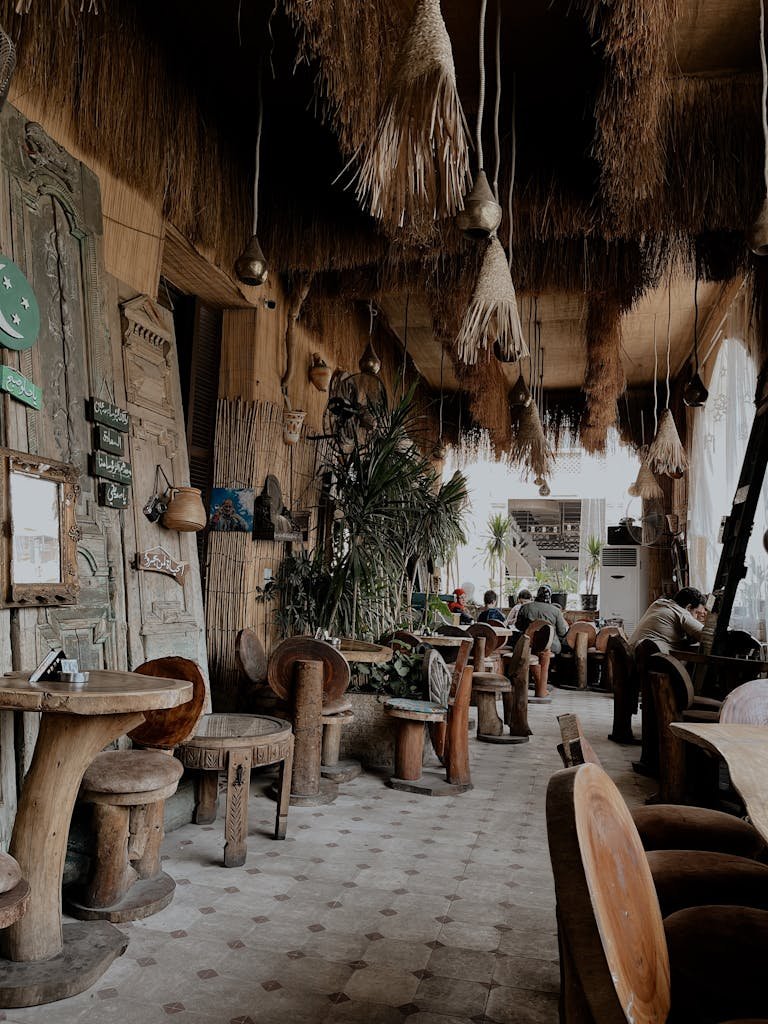
Addis Ababa in particular offers cafés, hotels, restaurants, coworking environments, and social spaces where international professionals and locals often connect.
However, Ethiopia is still developing compared to some countries that market themselves heavily toward digital nomads. Reliable internet access, consistent electricity, and work infrastructure may vary depending on the area and building. Remote workers considering long-term stays should research internet reliability carefully before relocating permanently.
For travelers who value culture, history, affordability, and slower living more than luxury convenience, Ethiopia can feel deeply rewarding.
Some remote workers appreciate the opportunity to experience authentic cultural immersion rather than living inside heavily commercialized expat bubbles.
Nightlife and Social Life in Ethiopia
Many travelers are surprised to discover Ethiopia also offers vibrant social and nightlife experiences, particularly in Addis Ababa.
Restaurants, music lounges, jazz clubs, cafés, and cultural performance spaces create opportunities for entertainment and social connection throughout the city. Ethiopian jazz, traditional music, dancing, and live performances remain important parts of the local cultural scene.
Nightlife in Ethiopia often feels more relaxed and culturally rooted compared to some heavily tourist-centered party destinations. Travelers may enjoy evenings filled with music, conversation, coffee, and shared meals rather than exclusively club-focused environments.
Social life often centers around hospitality and spending meaningful time together, which many visitors find welcoming and memorable.
Transportation and Daily Expectations
Transportation systems and infrastructure can feel very different compared to the United States.
Traffic congestion, road conditions, and public transportation experiences may vary greatly depending on the city and region. Travelers adjusting to daily life abroad may initially experience frustration while adapting to different systems and routines.
At the same time, many expats report that daily life eventually begins feeling more manageable once routines develop and expectations adjust.
Living abroad often requires patience, flexibility, and openness to cultural differences that may feel unfamiliar at first.
Can Ethiopia Be Affordable Compared to the United States?
In many situations, yes.
Housing, local food, transportation, and daily living expenses may cost significantly less than what many Americans experience in major U.S. cities.
However, affordability depends heavily on lifestyle expectations. Travelers seeking luxury compounds, imported products, international schools, private transportation, and Western conveniences may still experience higher monthly expenses than expected.
A modest lifestyle focused on local experiences, local food, and realistic expectations often allows travelers and expats to stretch their budgets far more comfortably.
Final Thoughts
Ethiopia offers far more than lower living costs alone.
The country provides ancient history, remarkable cultural depth, beautiful landscapes, strong community values, unforgettable food, and experiences that many travelers describe as emotionally meaningful and life-changing.
For some people, Ethiopia becomes a place of discovery, slower living, cultural connection, and personal growth rather than simply another affordable destination abroad.
Understanding both the opportunities and the realities of daily life helps travelers make more informed decisions before considering a move or extended stay.
(To get started, delete the $1.00 and type the amount you want to convert — rates update instantly!)
Source: USD/ETB @ Sun, 11 Oct.


Ready To Travel?
Planning a trip abroad involves more than just booking flights and packing bags — understanding how to manage your money wisely is essential for a smooth journey.
For practical strategies on handling different currencies while traveling, check out our guide: Smart Currency Exchange Tips for Travelers: What to Know Before You Go
Before you go, it’s crucial to stay informed about international travel requirements, local customs, and safety precautions.
Explore these official resources to help you prepare:
Travelers – United States Department of State
Article by Convert&GO.com